ILPD Has Trained More Than 1,200 Professionals in Restorative Justice as Resolved Cases Rise by a Third
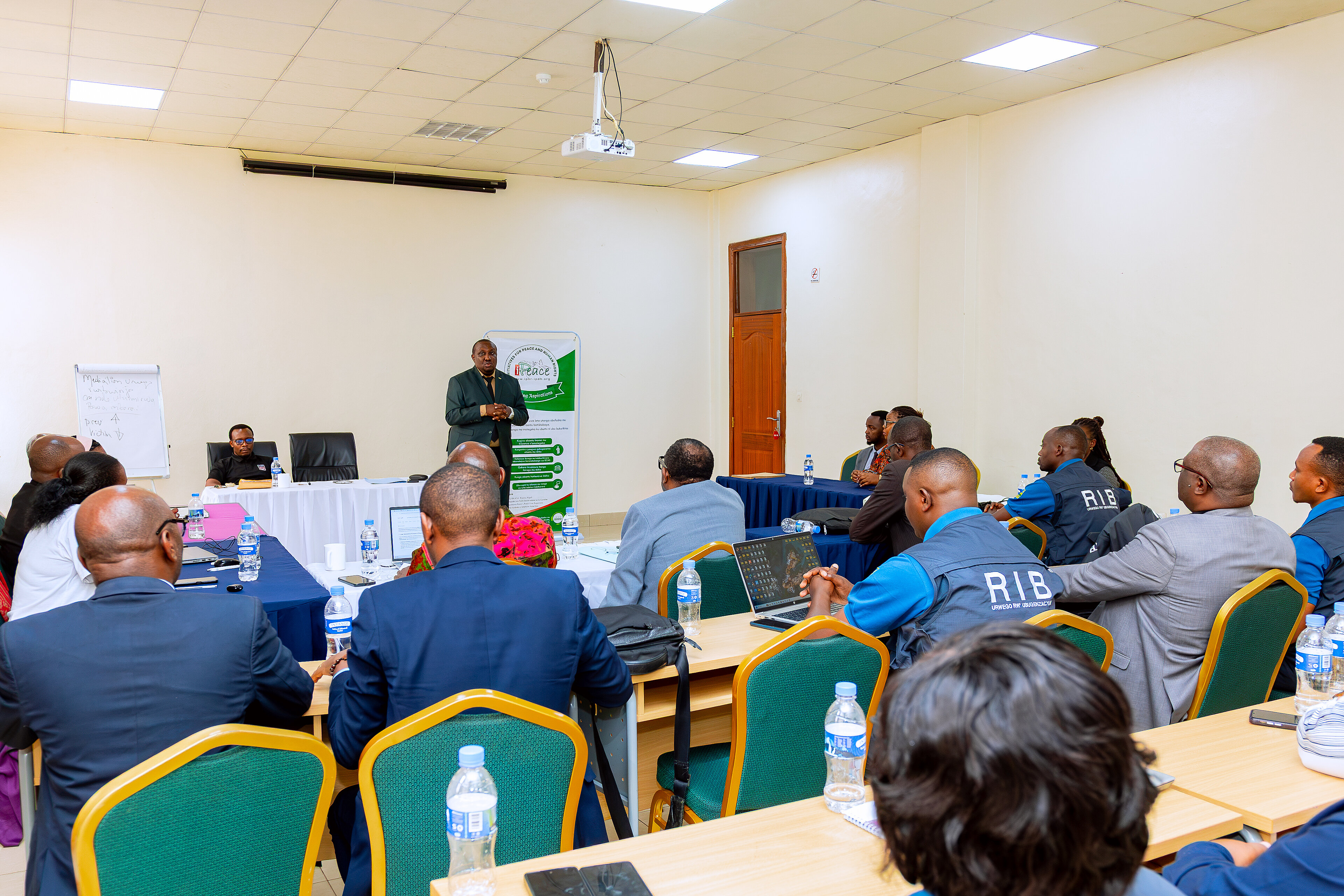
The Institute of Legal Practice and Development (ILPD) has trained 1,243 justice sector professionals to implement Rwanda’s Criminal Justice Policy and ADR Policy, as the number of cases resolved outside formal court proceedings rose by nearly a third in the last judicial year.
Those trained come from the Judiciary, the National Public Prosecution Authority (NPPA), the Rwanda Bar Association, and the Rwanda Investigation Bureau (RIB). ILPD contributed directly to the research that informed the policy, which was adopted in 2022.
According to reports from the 2025/2026 judicial year, 19,888 cases were resolved through restorative justice mechanisms, up from 15,012 the year before—an increase of 4,876 cases, or 32.4%.
The year also marked the first time mediation was applied on such a large scale, with 18% of cases heard on their merits resolved through mediation.
The approach is also credited with easing pressure on prisons. Occupancy has fallen to 97.2%, down from 103.6% in 2025 and 134.3% in 2023.
The policy rests on three core approaches: mediation, plea bargaining, and victim-offender mediation. It encourages victims and offenders to resolve disputes and address harm through mutual understanding and peaceful agreements without necessarily going through formal court proceedings.
Judiciary Spokesperson Harrison Mutabazi noted that these results give the Judiciary confidence that the 2026/2027 judicial year will bring further growth.
“The figures from the previous judicial year indicate that this trend will continue to grow during the current year, bringing numerous benefits,” he said. “For instance, we achieved nearly a 42% reduction in the backlog of cases last year. Restorative justice also helps reduce prison overcrowding and promotes social cohesion, as disputes are resolved amicably. This year, we aim to achieve even greater progress.”
He added that these gains were made possible by supporting government institutions, including ILPD, which builds the practical knowledge and skills of justice sector professionals in restorative justice and alternative dispute resolution.
“We appreciate our partner institutions for their contribution to delivering these training programmes, and we encourage them to continue strengthening their efforts,” he said. “We still have a long way to go in advancing restorative justice compared to the level we aspire to achieve, and we cannot accomplish this alone.”
Dr. Yves Sezirahiga, ILPD’s Vice Rector in charge of Academic Affairs and Research, said the Institute was pleased with its contribution. As the body mandated to strengthen the practical skills of justice sector professionals, ILPD sees its role as essential to expanding the pool of practitioners able to apply restorative approaches.
“This gives us confidence that the policy will be implemented effectively and to a high standard, as attitudes and perceptions are gradually changing,” he said. “This is particularly evident among the lawyers we have trained, many of whom have come to recognize that restorative justice is a faster approach that helps reconcile parties involved in disputes or conflicts, while also ensuring that their right to compensation is not compromised.”
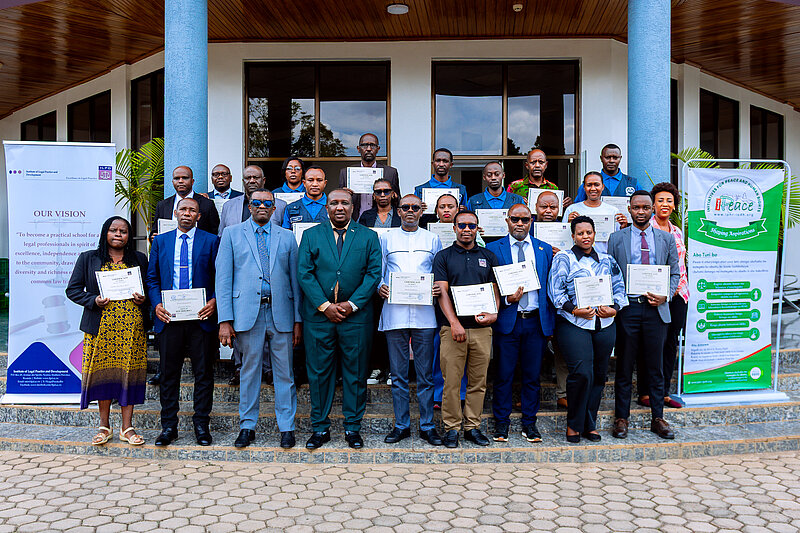
To widen the pool of practitioners further, ILPD recently trained 24 participants who are being prepared to train others. They completed three weeks of instruction, equivalent to 120 hours.
ILPD expects these positive results to keep growing, contributing to the amicable resolution of disputes as well as unity and reconciliation across Rwandan society.