ILPD Equips Prosecutors to Tackle Human Trafficking
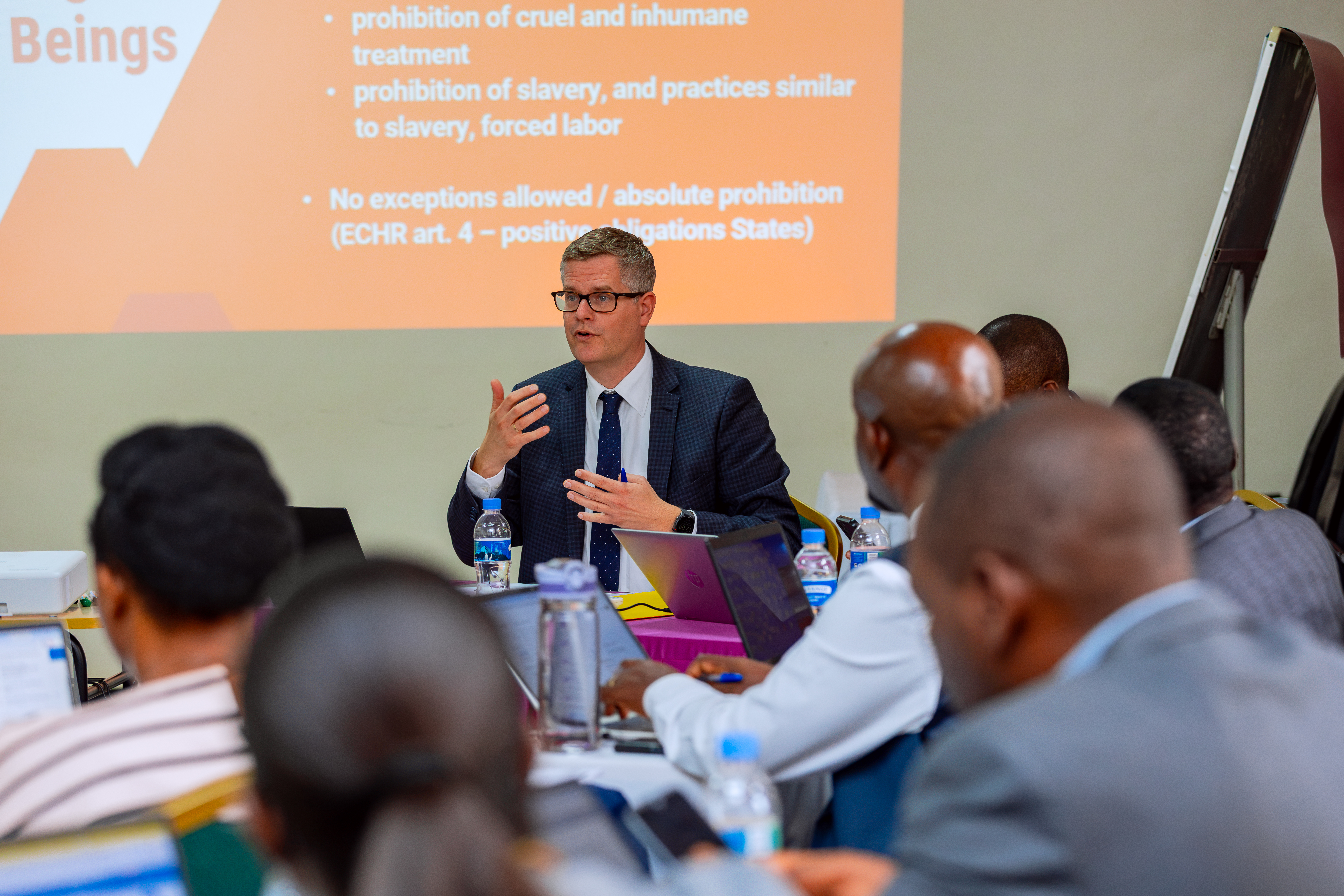
A five-day specialised training program aimed at strengthening prosecutors’ capacity to identify, investigate, and prosecute cases of trafficking in persons (TIP)—with a strong focus on victim protection and effective prosecution—was held at the Institute of Legal Practice and Development (ILPD) from 28th September to 2nd October 2026.
The training brings together prosecutors and criminal justice practitioners to deepen their understanding of trafficking offences, strengthen practical investigative and prosecutorial skills, and promote a victim-centred approach to handling trafficking cases.
Opening the training, Dr. Yves Sezirahiga, Academic Vice Rector of ILPD, described trafficking in persons as a serious violation of human dignity and a complex form of organised crime that exploits vulnerable individuals through coercion, deception, abuse of power, or other forms of exploitation.
“Trafficking in persons is one of the most serious crimes confronting societies today. It exploits the vulnerability of women, men and children for profit and strips victims of their freedom, security and dignity,” Dr. Sezirahiga said.
He noted that Rwanda has established a strong legal and institutional framework to combat trafficking, including Law No. 51/2018 of 13 August 2018 relating to the Prevention, Suppression and Punishment of Trafficking in Persons and Exploitation of Others, as amended, as well as its obligations under international and regional instruments.
However, he stressed that effective enforcement requires more than a comprehensive legal framework.
“Effective implementation requires knowledgeable, skilled and committed professionals capable of identifying victims, conducting high-quality investigations, building strong cases and ensuring that justice is delivered while safeguarding the rights and dignity of victims,” he said.
Understanding why people become vulnerable
The training is also examining the circumstances that make individuals vulnerable to trafficking and the factors that may influence their decisions to migrate or seek opportunities elsewhere.
Push factors, including poverty, unemployment, conflict, discrimination, lack of economic opportunities and difficult living conditions, can increase vulnerability and make individuals more susceptible to traffickers' promises.
At the same time, pull factors—such as promises of high-paying jobs, better education, improved living conditions or a safer life abroad—can attract individuals towards particular destinations.
While pull factors may attract individuals to specific destinations, push factors create the core underlying vulnerability that traffickers exploit. Understanding the interaction between these factors is therefore critical for investigators and prosecutors when assessing trafficking cases and the circumstances surrounding victims.
Putting victims at the centre
One of the key messages of the training is the importance of ensuring that victims are properly identified and protected throughout the criminal justice process.
Mr Dirk Maarten Noordzij, Senior National Prosecutor from the Netherlands and one of the facilitators, stressed that trafficking is a complex crime requiring prosecutors to understand both its legal dimensions and the experiences of victims.
“Human trafficking is a very complex crime, and it is very important that prosecutors understand what this crime entails and make sure that victims are rescued and that victim-centred approaches are guaranteed,” Mr Noordzij said.
He emphasised that prosecutors have a responsibility to uphold victims’ rights, secure evidence and ensure that perpetrators are brought to justice.
He also cautioned against mischaracterising cases involving exploitation as ordinary labour or prostitution violations.
Where individuals are providing labour or services under conditions of coercion and exploitation, he noted, prosecutors must be able to recognise the indicators of trafficking and ensure that victims are treated accordingly.
Tackling a cross-border crime
The training further focuses on the challenges posed by the transnational nature of trafficking, including evidence gathering, international cooperation and tracing and recovering proceeds of crime.
Mr Noordzij noted that Rwanda can be a country of origin, transit or destination for trafficking victims, underscoring the importance of strengthening the capacity of justice sector professionals to recognise and respond to trafficking wherever it occurs.
Strengthening the fight against trafficking
Dr. Sezirahiga urged participants to actively engage throughout the five-day programme, share professional experiences and use the training to strengthen their practical skills.
“Every trafficking case represents a human story—often a story of exploitation, suffering and lost opportunities. Your work can restore hope, provide protection and reaffirm society’s commitment to justice and human dignity,” he said.
The training is expected to equip prosecutors with enhanced skills to identify trafficking, build stronger cases, protect victims, pursue perpetrators and trace the proceeds generated through exploitation.
Through specialised capacity-building programmes such as this, ILPD continues to contribute to strengthening professional competence within Rwanda’s justice sector and advancing a more effective, victim-centred response to trafficking in persons.
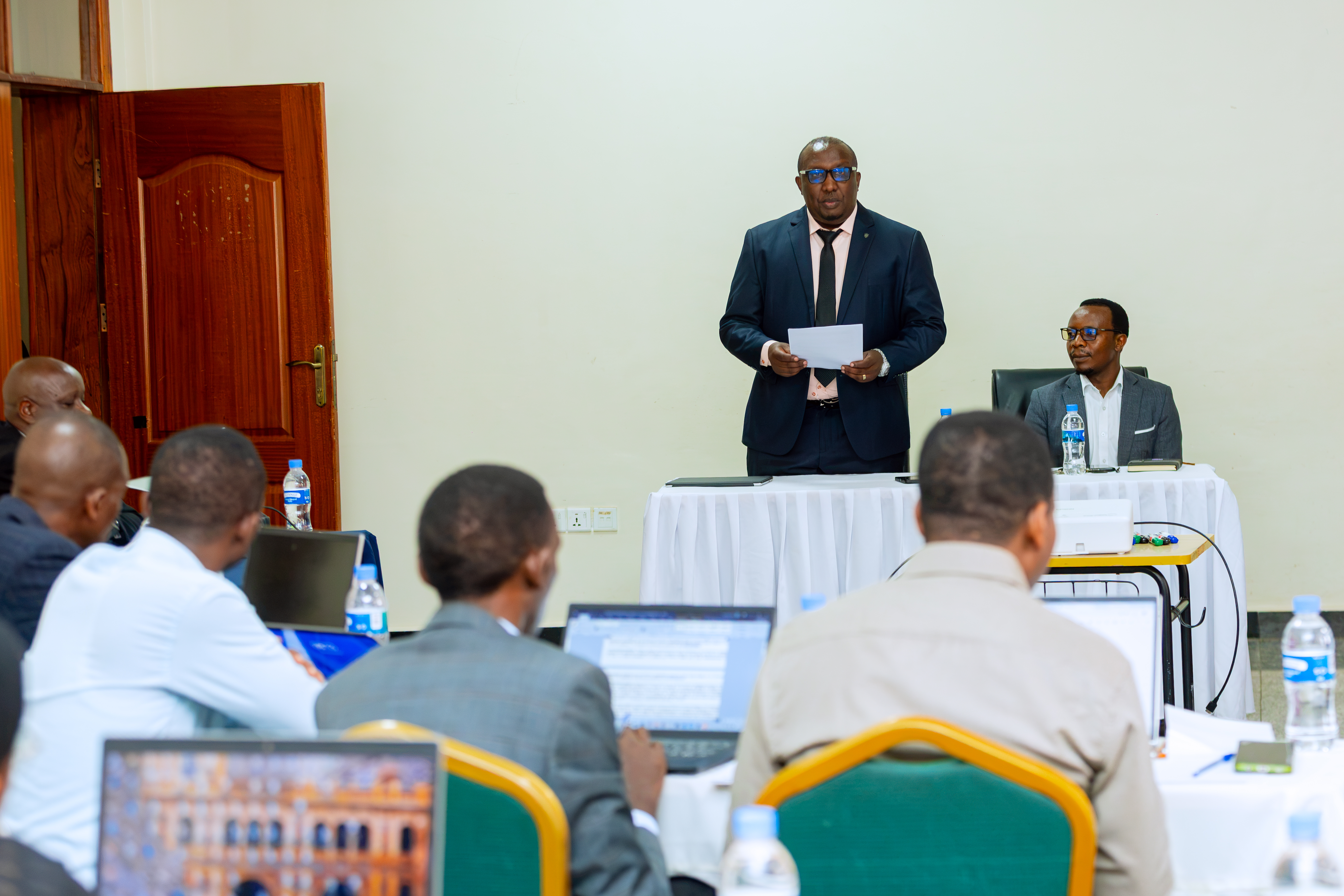 Dr. Yves Sezirahiga, Academic Vice Rector of ILPD kicked off the training
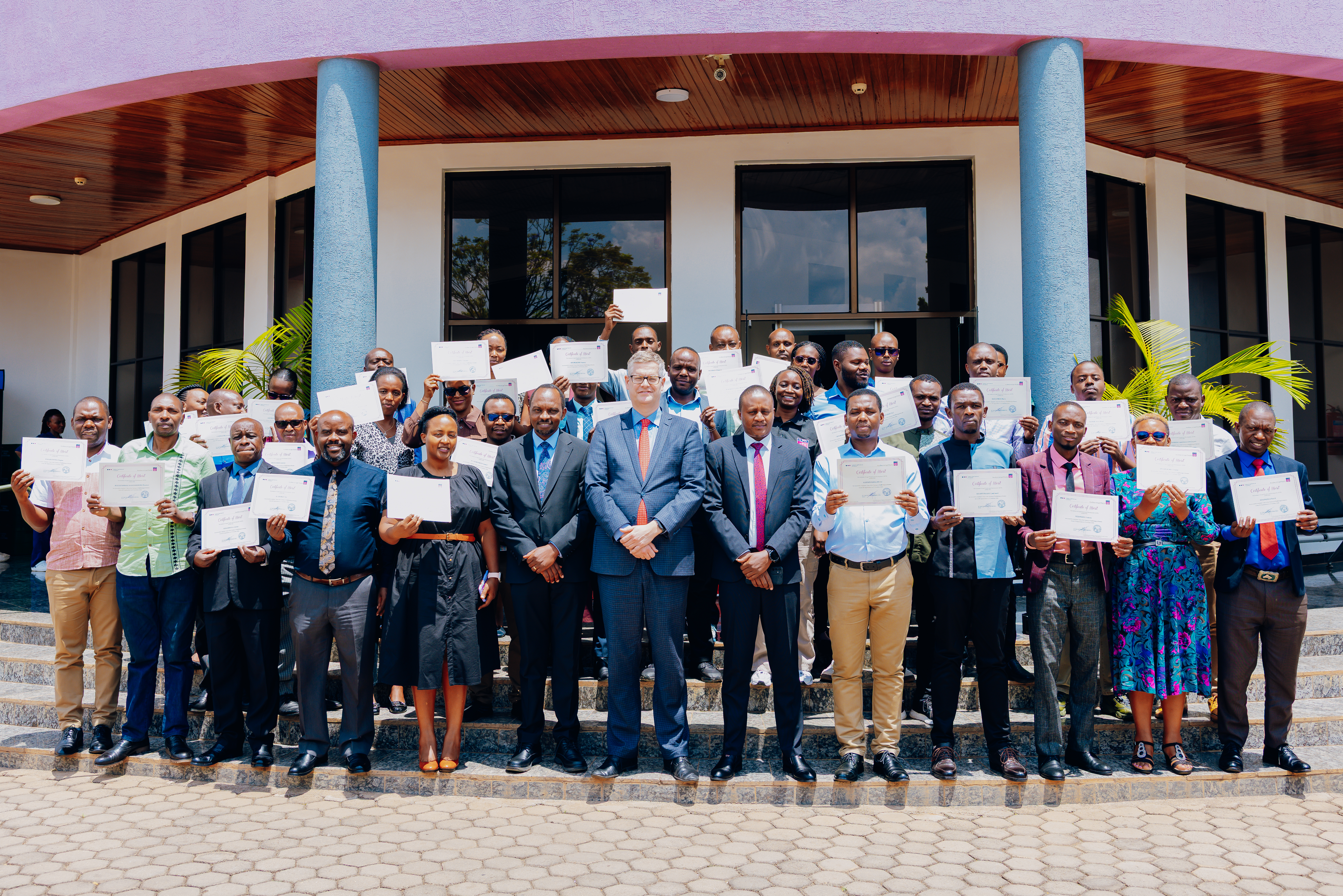 Trainees were awarded certificates